Rain, humidity and frost: what outdoor chairs need to withstand
Outdoor furniture lives outdoors, so rain, humidity, frost and sun all have a say in how it looks and lasts. Chairs take the brunt because they are used often, moved around, left beside tables and exposed from every angle. Low maintenance outdoor chairs are not maintenance free, but the right material and a few sensible habits can keep them serviceable with far less fuss than many people expect.
The main issue is not one storm or one cold night. It is repetition. Water settles, dries, returns and sometimes freezes. Damp air lingers. Dust and pollen mix with moisture. Sun warms surfaces, then evening temperatures drop. Over time, those cycles can affect frames, seats, joints, feet and finish. Understanding what each weather condition does makes it easier to choose chairs that suit the place they will be used.
Rain: water is harmless until it sits still
Rain itself rarely ruins a chair in a single day. The trouble starts when water collects in seams, frame channels, slats, cushion crevices or the underside of a seat. Standing water keeps surfaces wet for longer, gives dirt time to settle and can encourage mildew on soft parts. On metal, trapped moisture can speed corrosion at joints or around fasteners. On wood, repeated wetting and drying can lead to swelling, checking and rough edges. Resin furniture tends to be a practical choice for rainy patios because it does not absorb water in the same way, but shape still matters. A seat with a slight slope dries faster than a flat one, and open gaps help air move.
Drainage holes are small details with a big job. They let water leave instead of pooling inside hollow sections or seat bases. After heavy rain, it is worth checking that these openings have not been blocked by leaves, mud or furniture covers. A chair can look dry on top while water remains tucked underneath. Tilting a chair briefly so water runs out, then letting it air dry, is often enough. If a chair stays wet for long periods, move it out of a shady corner or away from a planter where splashback keeps the lower frame damp.
Rain can also carry minerals, tree sap and airborne grime. Once the water evaporates, those residues remain as spots or a dull film. Gentle surface cleaning works best when done before buildup hardens. A soft cloth, mild soap and plenty of water are usually enough for resin and many outdoor finishes. Harsh abrasives can scratch surfaces, and strong cleaners may strip protective coatings or discolor nearby materials. Rinsing well matters, since soap residue can attract more dirt than it removes.
Humidity: slow moisture changes the picture
Humidity is quieter than rain but harder to escape. In a damp climate, surfaces may never fully dry, especially overnight. That lingering moisture affects different materials in different ways. Metal can develop surface oxidation. Wood can take on and release moisture, which may cause warping or loose joints. Fabric cushions may feel clammy and develop mildew if stored wet. Resin pieces generally handle moisture exposure well, yet even resin can hold dirt, algae or mildew on textured areas if they stay shaded and damp.
Airflow is the simplest defence. Chairs spaced close together trap moisture between frames and seats. Stacking chairs tightly after use can do the same. Where space allows, leave enough room for air to move around the furniture, particularly after rain or near irrigated planting. Covers can help during long wet spells, but they also trap condensation if damp furniture is covered too soon. A breathable cover is preferable to a sealed plastic sheet, and chairs should be dry before being tucked away.
Humidity also makes cleaning more of a routine than a one off task. Light, regular cleaning prevents mildew from getting a foothold. Check shaded areas, seat edges, armrests and the feet that sit close to paving or soil. These spots dry last. If a musty smell appears, moisture is probably being held somewhere. The source is often a cushion seam, a hollow frame, a blocked drain or a cover that stays damp.
This is where furniture made for changing weather becomes a practical choice rather than a marketing phrase. Materials that do not swell, rust or stain easily reduce the number of small jobs that pile up across a season. Resin chairs, for example, can be rinsed, dried and returned to use without the lengthy care that some natural materials need. That does not remove the need for common sense, but it makes upkeep more predictable.
Frost and freeze thaw cycles: expansion is the real concern
Frost affects outdoor chairs in two ways. Cold temperatures can make some materials less flexible, and water that has entered small spaces can expand as it freezes. That expansion is what turns a harmless trickle into a problem. Water trapped in joints, cracks, hollow tubes or around fasteners may push parts apart, widen existing flaws or loosen connections. These are freeze thaw cycles, and they matter most where temperatures repeatedly fall below freezing and rise again.
Chairs left outside through winter should be as dry as possible before the first freeze. Clear standing water from seats and frames, shake off wet cushions and remove anything that can hold moisture. Protective storage is useful if it is available, especially for cushions, metal hardware and pieces with intricate joints. A garage, shed or dry covered area reduces the number of cycles furniture has to face. If storage is not possible, choose a spot with good drainage and avoid low areas where water collects.
It is also worth looking closely at feet and contact points. Paving, decking and soil hold moisture differently. A chair foot sitting in a damp patch may stay cold and wet long after the rest of the chair looks dry. Frost can also lift or shift paved surfaces, so a chair may rock on an uneven slab. That rocking puts strain on joints, particularly when someone sits down. Small movement is easy to overlook, but repeated rocking can loosen a frame over time.
Cold weather does not mean every chair must be dragged inside at the first frost. The key question is whether water can get into places where it will be trapped. Dense, nonabsorbent materials with simple shapes tend to cope better. Pieces with many crevices, fabric parts or exposed fasteners need more attention. A chair that dries quickly after rain will usually handle frost better than one that holds water in hidden pockets.
What sun does between the wet days
Weather resistance is not only about water. Sunlight affects outdoor chairs through ultraviolet exposure and heat. UV stability helps a material keep its color and surface character instead of becoming brittle, faded or chalky. Heat can cause expansion, while cooler nights cause contraction. Over many seasons, that movement can show up around weak joints or poorly supported panels.
Darker surfaces may feel hotter to the touch and can show dust or mineral marks more clearly. Lighter surfaces may hide heat but reveal mildew or soil in shaded patches. Neither choice is wrong. The better decision depends on where the chairs sit, how much shade they get and how often they are cleaned. A chair under a tree may need more frequent washing because of sap, pollen and bird droppings. A chair on an open, sunny deck may need more attention to surface fading than to mildew.
Choosing chairs that are easier to live with
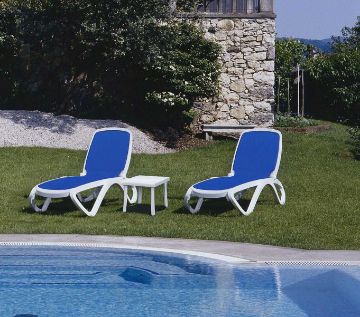
Low maintenance outdoor chairs usually share a few practical traits. They shed water, dry quickly, resist stains and do not need sealing, staining or painting on a regular schedule. Resin seating often fits this pattern, which is why it is common on patios, poolside areas and commercial spaces where furniture sees frequent use. The value is not just in the material. Design matters too. Smooth edges are easier to wipe, open frames dry faster, and stable feet reduce wobble on uneven surfaces.
Comfort and durability also need to be judged together. A chair that is light enough to move can be a benefit in changing weather, since it can be shifted away from standing water or stored during harsh spells. Very heavy chairs may feel more solid, but they are harder to reposition and may trap moisture underneath. Stackable designs can save space, although they should be fully dry before stacking. Cushions add comfort but introduce another care routine, since fabric holds moisture far more readily than a molded or slatted seat.
Before choosing, picture an ordinary week rather than a perfect summer day. Where does rain collect? Which areas stay shaded until late morning? Does frost settle on the deck or patio? Are chairs left out overnight, or moved under cover? The answers point toward the material and shape that will make sense. A chair with thoughtful drainage and a nonabsorbent surface may need little more than a rinse after a storm. A chair with deep seams, absorbent parts and many metal connections may ask for more care.
Good care is mostly about removing moisture and dirt before they settle in. After wet weather, let chairs dry in the open when possible, check drainage openings and wipe away visible grit. During humid stretches, improve airflow and avoid covering damp pieces. Before frost, clear water from frames and store vulnerable parts if storage is available. Through sunny months, clean surfaces gently and watch for fading or roughness.
None of this requires a complicated routine. It asks for a little attention to how chairs are built and where they sit. Weather will always leave its mark outdoors, but furniture made for changing weather can keep that mark light. With sensible design, simple cleaning and timely drying, outdoor chairs stay useful, comfortable and better looking through wet spells, damp weeks and cold nights.